
The Top 5 Home Maintenance Tasks Under $500 a Year That Can Save You Thousands
Homeownership is full of delightful surprises — like discovering your new houseplants actually can survive or figuring out the perfect wall color on the sixth sample. But it’s also full of the other kind of surprise… the kind that requires a contractor, a deep sigh, and a check you weren’t planning to write.
The good news is that with less than $500 a year, you can prevent most major issues long before they start. Even better, the math is firmly in your favor: research consistently shows that every $1 spent on preventative maintenance saves about $3–$5 in future repairs. (HUD PM cost ratios)
Below are five of the most impactful home maintenance tasks you can tackle annually — plus the real stories and reputable sources that make this list non-negotiable.
1. Clean Your Dryer Vent
Approx. cost: $100–$150 per year
Every year, thousands of homes experience dryer-related fires — a fact backed up by both the NFPA and ConsumerAffairs. The culprit is almost always the same: lint accumulation in a neglected dryer vent.
One homeowner booked a simple annual vent cleaning, expecting a five-minute job. Instead, the technician discovered that a previous construction crew had accidentally encapsulated over the exterior vent, leaving the dryer venting into an enclosed crawl space. To make matters worse, the ducting had been replaced with an extremely thin, bargain-bin piping that nearly collapsed when the cleaning equipment touched it.
Instead of a routine cleaning, the crew had to replace the entire duct run and re-establish a proper exterior vent. If they hadn’t caught it, the homeowner would have been unknowingly funneling hot, lint-filled exhaust directly into a sealed space — a perfect recipe for a fire that waits for the exact wrong moment.
A yearly cleaning prevents this kind of hidden hazard and keeps your dryer efficient and safe.
Key sources: NFPA dryer fire data, Consumer Affairs dryer fire statistics
2. Service Your HVAC System
Approx. cost: $150–$300 per year
Your HVAC system is your home’s beating heart — and also one of its priciest components. A new system can easily cost $5,000–$10,000 or more, depending on size and complexity. The most reliable way to stretch its lifespan is simple: regular maintenance.
Routine tuning can improve energy efficiency by up to 30%, reduce strain on components, and help the system last years longer. Homeowners who skip maintenance often discover problems only when something overheats, freezes, or fails — usually during the hottest or coldest week of the year.
A quick seasonal check (or at least an annual appointment) keeps your system running smoothly and helps avoid the dreaded emergency replacement.
Key sources: Energy.gov HVAC efficiency maintenance, General industry lifespan data & maintenance impact
3. Flush and Service Your Water Heater
Approx. cost: $0–$150 per year (DIY or hired)
Sediment buildup is the silent killer of water heaters. Over time, minerals settle at the bottom of the tank — insulating the heating element, reducing efficiency, and making the heater work overtime.
One homeowner finally decided to flush their tank after years of ignoring it. When they opened the drain valve, what came out first wasn’t water — it was a thick wave of white, chalky sediment. After clearing it, the water heater suddenly ran more efficiently and produced hotter water than before, despite no thermostat changes.
A simple flush each year protects the tank, improves efficiency, and can prevent catastrophic leaks or ruptures. If you’re handy, you can follow DIY guides. If you prefer backup, a handyman will happily handle the job while you stay dry.
Key source: Home Depot water heater maintenance guide
4. Replace Smoke Detector & Carbon Monoxide Detector Batteries
Approx. cost: $20–$50 per year
This is the cheapest and most life-saving item on the list — yet many people forget it. Some remove a chirping detector battery and never replace it. Others assume their detectors last forever (they don’t).
The data is clear: nearly two-thirds of home fire deaths occur in homes without functioning smoke alarms. Working alarms reduce the risk of dying in a fire by about half.
Replacing batteries yearly, testing alarms monthly, and replacing units on schedule (10 years for smoke detectors, 5–7 years for CO detectors) is essential. If your ceilings are high, combine this with other professional services and have someone else swap them.
Key sources:
Denver Fire Department residential fire safety stats, ADT smoke detector placement and timing guidelines
5. Get an Annual Termite Inspection
Approx. cost: $100–$200 per year
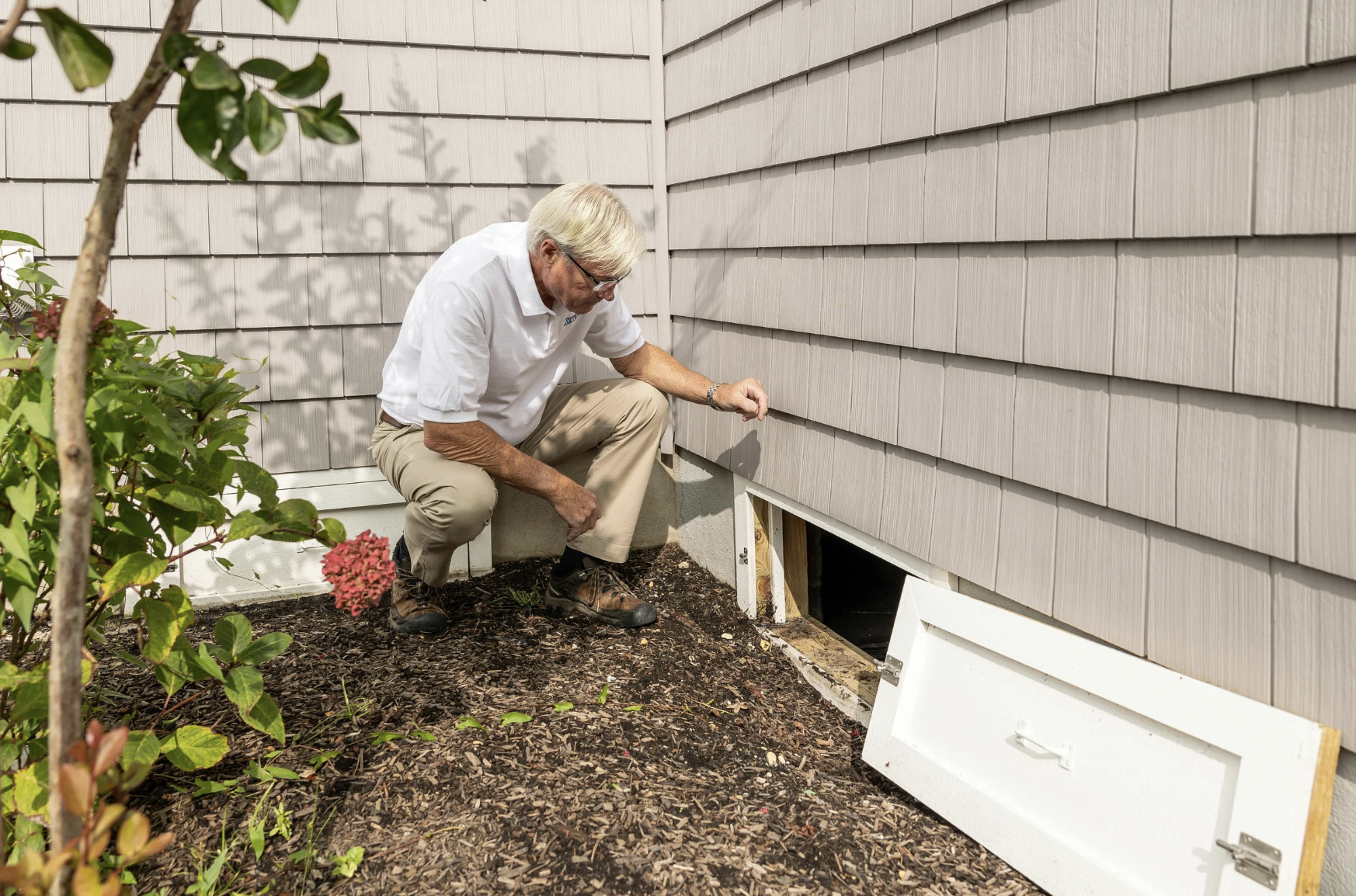
Termites don’t knock, ring the doorbell, or politely introduce themselves. They show up uninvited, snack on your subflooring, and leave you with a repair bill and structural damage.
Orkin estimates that termites cause over $5 billion in property damage each year — damage that homeowners insurance rarely covers. A full-house tent fumigation typically costs $2,000–$5,000, with larger homes reaching $8,000 or more. Spot treatments, however, are significantly cheaper and only possible when termites are caught early.
A quick annual inspection costs a fraction of that and ensures that if termites are thinking about making a move, you’ll know before they settle in.
Key sources: Termite statistics & damage: https://www.orkin.com/pests/termites/termite-statistics, Spot treatment facts
Bonus Tasks Worth Considering
These aren’t required annually for every home, but they’re smart add-ons that prevent expensive future issues:
Gutter Cleaning
Clogged gutters can cause roof leaks, fascia rot, and foundation damage. Prices typically fall around $150–$250 depending on your roof height and debris.
Spigot Covers
In cold climates, a $3 foam cover can prevent a frozen, burst pipe. That alone is a worthwhile purchase.
Sump Pump Check
If you have a sump pump, make sure it's accessible and functional — especially if a previous owner pulled a “creative renovation” and floored over it.
Septic System Additives
While enzymes aren’t a replacement for pumping, some homeowners use them to keep systems healthier between professional services.
Can You Really Keep All This Under $500 a Year?
Yes — most homeowners do. With typical pricing:
Dryer vent cleaning: $100–$150
HVAC tune-up: $150–$200
Water heater flush: $0–$150
Smoke/CO updates: $20–$50
Termite inspection: $100–$200
You’ll usually land in the $400–$500 range — far less than the cost of even one major home repair.
Frequently Asked Questions About Annual Home Maintenance
How much should I budget per year for overall home maintenance?
A common rule is 1% of your home’s value annually. But the essential preventative tasks listed here typically cost $400–$500 per year.
Is preventative home maintenance really worth it?
Yes — studies show each $1 invested saves $3–$5 in major repairs, replacements, and emergencies.
How often should I clean my dryer vent?
Once a year. If clothes take longer to dry or if your venting setup is long or vertical, schedule more frequent cleanings.
How often should I service my HVAC system?
Ideally twice a year — once before heating season, once before cooling season.
Do I really need to flush my water heater annually?
If it’s a tank-style heater, yes. Sediment kills water heaters faster than anything else.
How often should I replace smoke detector batteries?
Replace annually; test monthly. Replace the units every 10 years (smoke) or 5–7 years (CO).
How often should I get a termite inspection?
Once a year. Catching termites early is the difference between a $200 visit and a multi-thousand-dollar fumigation.
Do gutters really need to be cleaned?
If trees are nearby, yes — once or twice a year. If water can’t drain, it will find a way into your house.
What’s the cheapest, highest-impact maintenance task?
Replacing smoke and CO detector batteries — it costs almost nothing and dramatically increases home safety.
Don’t know where to start? Contact us at lifeALLY for a complimentary 15 minute consultation to see where you could benefit from some help around your house and life!
