
Why Buying More Organizational Stuff Isn’t Making You Organized
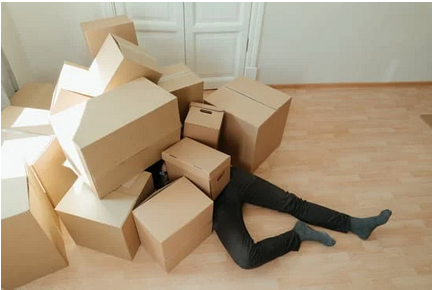
Let’s Start With a Confession
Hi, my name is Sarah, and I’m a recovering planner addict.
It starts innocently enough—Target’s back-to-school aisle, a beautiful hardbound planner promising productivity nirvana. Bright tabs. Gold coil. Stickers that whisper, “You’re going to be so put-together this year.”
I bring it home like a trophy, convinced this is the one. For a week, maybe two, I fill in every box, color-code my schedule, and feel unstoppable.
Then, life happens.
Within days, the shiny new planner joins its fallen comrades in the “someday” drawer—a graveyard of good intentions and half-written to-do lists.
For a while, I thought I was broken. Why could everyone else keep it together with a color-coded calendar and I couldn’t? Then it hit me:
It’s not me. It’s the system.
Buying tools without systems is like buying gym equipment and expecting abs by osmosis. The planner didn’t fail me—I failed to build a structure that made it work.
The Myth of More Stuff
Somewhere along the line, we equated buying with being.
We scroll through Instagram and see pantries that look like they were staged by The Container Store and Marie Kondo’s secret love child. Every grain of rice decanted into identical jars. Every bin labeled with font so elegant it could run for office.
It’s soothing. It’s aspirational. It’s also, let’s be honest, complete fantasy.
I’ve worked in home management. I’ve seen behind the curtain. Those Pinterest-perfect spaces? They’re designed for photos, not people. Organizers often optimize for aesthetics, not functionality. They organize for the camera, not your habits.
The dictionary definition of organization is “arranging things so they work together effectively.”
Notice it doesn’t say “look cute while doing it.”
That’s the trap of organizational design—it’s not built for your actual life. I once worked with a client whose shirts were perfectly sorted by color. It looked amazing. Except he dressed by type—short sleeve, long sleeve, etc.
His “after” photo looked great. His mornings? A disaster.
Real organization works for you, not against you.
Why Tools Without Systems Fail
If you don’t have systems, all those bins and apps are just well-labeled chaos.
Think about it:
Bins full of “organized clutter” are still clutter.
Alphabetizing spices won’t help if you cook by habit, not by name.
Using three different productivity apps doesn’t make you productive—it makes you scattered.
Here’s a recent example from my own life. I went to take my son for his driving permit. The DMV, in its infinite wisdom, required his original Social Security card. Easy, right? Except… I couldn’t find it. My daughter’s? Right there. His? Gone.
Cue panic.
I had to schedule an SSA appointment a month out just to replace it. That small missing document has lived rent-free in my head for weeks. It’s a perfect example of mental clutter—those nagging, invisible tasks that steal your focus and keep you up at night.
A planner won’t fix that. But a system might.
The Hidden Cost of Disorganization
Disorganization doesn’t just cost you sanity—it costs you real money.
I once had a client call me to organize his garage. (In July. In Nashville. I still have flashbacks.) It was chaos. Halfway through, he ordered new fans online because “we need some air moving.”
Hours later, while moving boxes to his storage unit, I found not one, not two, but three perfectly good fans sitting in the back corner.
That’s what clutter does—it hides your money from you.
We spend more because we can’t find what we already own. We waste hours searching for things we misplaced. And we stay stuck in a cycle of buy → feel better → feel overwhelmed → repeat.
The home organization market in the U.S. is worth billions. Yet somehow, everyone still feels buried. That’s not a coincidence—it’s consumer psychology at work.
We’re trying to buy our way out of stress, but we’re really just buying prettier stress.
The Emotional Clutter Problem
Clutter isn’t just physical—it’s emotional.
We keep clothes that don’t fit because we think “someday” they will. We hold onto gifts we hate because we’d feel guilty giving them away. We stockpile stuff for a hypothetical future that may never come.
But clutter steals space—both in your home and in your head.
Research shows that women living in cluttered homes have higher levels of cortisol, the stress hormone. (Neuroscience News) That means your overflowing closet isn’t just an eyesore—it’s literally triggering your body’s stress response.
Ask yourself this: does it serve a purpose or spark joy? If not, why are you keeping it?
If it’s not sentimental or functional, it’s baggage.
Let. It. Go.
It’s Okay to Throw Stuff Away
I know. It’s hard. But hear me out: you’re not throwing away memories—you’re making room for peace.
At Life Ally, we don’t believe in one-size-fits-all organizing. We build systems with you, not for you. Systems that make sense for your actual life, not your Pinterest board.
Because the goal isn’t perfection—it’s progress.
We’re your command center for Life, Home, and Money. We’ll help you set up recurring tasks, track what matters, and finally stop relying on “someday” organization.
Quick Wins You Can Try Right Now
Start small. Choose one spot that annoys you daily—your junk drawer, your desk, your pantry shelf. Fix just that.
Use what you already own. Before buying bins, see if baskets or boxes lying around can do the job.
One in, one out. Every new item means one old item leaves. Simple math, powerful results.
Do a nightly reset. Ten minutes before bed, pick up and reset one room. It’s better than starting every morning behind.
The Bottom Line
Buying more stuff won’t make you more organized. Systems will.
You don’t need another matching bin set—you need a plan. You don’t need another app—you need alignment.
Organization isn’t about what you own. It’s about what you keep intentionally.
So before you hit “add to cart,” pause. Ask yourself: am I solving a problem, or hiding from it in pretty packaging?
When you’re ready to replace chaos with clarity, contact us.
Why doesn’t buying organizational tools make me more organized?
Because tools without systems are just clutter in disguise. Without consistent habits and structure, bins and planners simply become more things to manage.
What’s the difference between organizing and decluttering?
Decluttering means removing what you don’t need. Organizing means structuring what’s left. Most people skip the first step—then wonder why they’re still overwhelmed.
How does clutter affect mental health?
Studies show clutter increases cortisol (the stress hormone), reduces focus, and leads to anxiety. Living in cluttered spaces can make your brain feel just as chaotic as your environment.
What’s the first step toward real organization?
Start with visibility. Identify where your biggest friction is—your desk, calendar, or home routines. Then build one small, repeatable system that makes daily life easier.
How can lifeALLY help?
Life Ally creates functional organization systems that connect your home, finances, and daily tasks in one place—so your mental load lightens and your life finally runs smoothly.
