
Mental Health and Clutter: How Reducing Mess Can Transform Your Well-Being
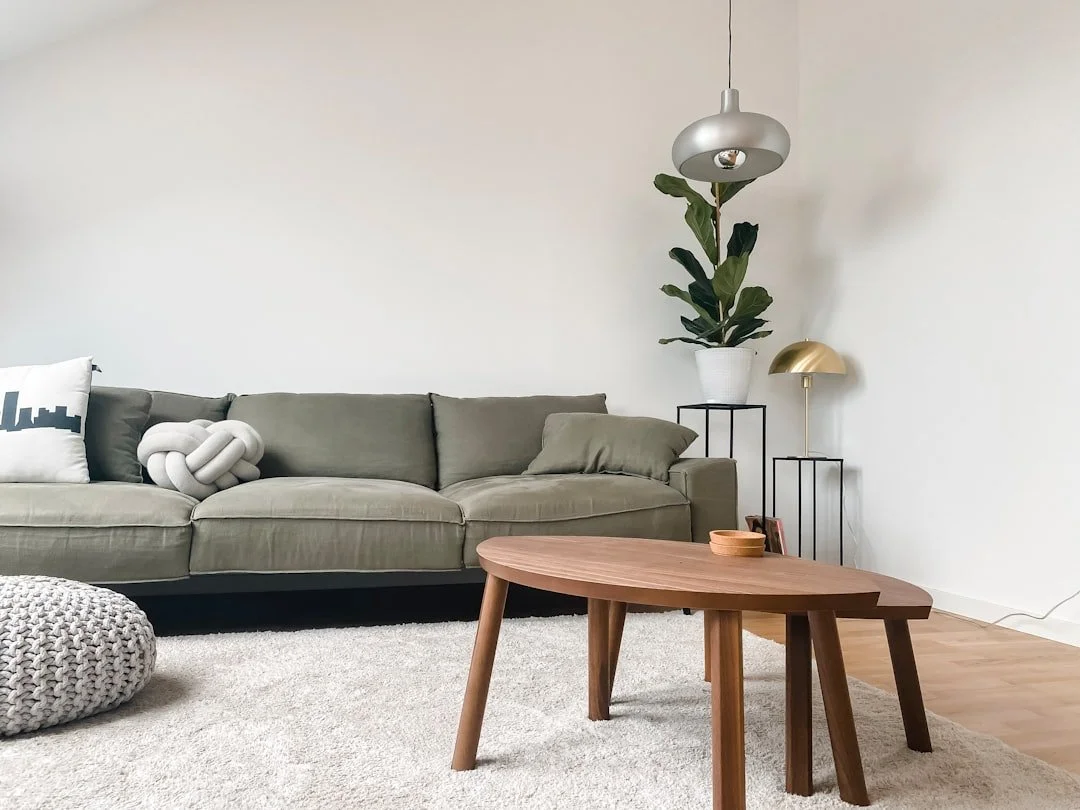
Reducing Mess Can Transform Your Well-Being
Clutter isn’t just a housekeeping issue — it’s a mental health issue. When your home is filled with visual noise, unfinished tasks, and spaces that don’t function well, your brain never fully gets to rest. Over time, that constant background stress can leave you feeling overwhelmed, exhausted, and stuck, even when you don’t fully realize why.
If you’ve ever walked into your home and felt your shoulders tense instead of relax, you’re not alone. The good news is that this isn’t a personal failure — it’s a systems problem. In this article, we’ll talk about the connection between mental health and clutter, how clutter affects mental health, and how small, practical changes can help you reduce overwhelm at home without trying to do everything at once.
The Link Between Mental Health and Clutter
Clutter creates what many people experience as visual overwhelm. Every pile, overfilled drawer, or chaotic room represents a decision not yet made. Your brain tracks all of it — even when you think you’re ignoring it.
A cluttered home can:
Increase stress and anxiety
Drain mental energy
Make it harder to focus
Create feelings of guilt or shame
Lead to procrastination and avoidance
When your home isn’t working for you, it stops being a place of rest and starts feeling like another source of pressure.
Your home should feel like a sanctuary — a place where you can shut out the outside world and feel safe, calm, and supported. When clutter takes over, that sense of protection disappears.
Why Clutter Feels So Overwhelming
One of the biggest reasons clutter feels paralyzing is because people don’t know where to start. Many of us have watched organizing shows where everything gets pulled out at once, sorted, and beautifully styled. In real life, that approach often backfires.
Pulling everything out immediately increases overwhelm. Instead of clarity, you’re left with more chaos than when you started — which is why so many people freeze and do nothing at all.
When you’re already overwhelmed, the last thing you need is a full-scale overhaul.
How We Are Solving the Problem of Clutter
At lifeALLY, we don’t believe in organizing for aesthetics alone. We focus on function first, because a system that looks good but doesn’t work for your daily life won’t last.
Here’s how we approach clutter differently:
We work one space at a time, not the whole house
We focus on how you actually use a space, not how it should look on Instagram
We prioritize high-use items being easy to access
We build simple, repeatable systems that fit real life
This approach reduces decision fatigue and makes progress feel manageable instead of overwhelming.
Small Steps Make a Big Difference
If there’s one principle that changes everything, it’s this: small steps create sustainable change.
Decluttering and organizing almost always take longer than people expect. Mental fatigue sets in faster than physical exhaustion, which is why big projects often get abandoned halfway through.
Instead of trying to do everything:
Tackle one drawer
Work on one shelf
Reset one small section of a room
These small wins build momentum. Over time, they add up to meaningful transformation — without burnout.
This is the foundation of small steps to declutter your home: doing only what you have the capacity for in that moment.
Progress Over Perfection (and Giving Yourself Grace)
One of the most important mindset shifts is letting go of perfection.
You see every unfinished task in your home — but others usually see the good. Organization is a skill, not a personality trait, and it takes time to build systems that truly work.
Focus on progress, not perfection. Implement one or two new habits at a time. Over a year, those small changes can completely transform how your home feels — and how you feel inside it.
FAQ: Mental Health and Clutter
How does clutter affect mental health?
Clutter increases stress, anxiety, and mental fatigue by constantly demanding attention and decision-making from your brain.
Where should I start if I feel overwhelmed by clutter?
Start with one small, contained space — a drawer, a shelf, or one corner of a room.
Is it better to declutter all at once or little by little?
Little by little is far more sustainable. Small steps reduce overwhelm and lead to lasting change.
What rooms make the biggest difference when reset?
Bathrooms, pantries, laundry rooms, and garages tend to have the biggest immediate impact.
How do I keep clutter from coming back?
By building simple systems and habits that match how you actually live, not how a space “should” look.
Next Steps
If clutter has been quietly draining your energy and affecting your mental health, you don’t have to fix everything at once — and you don’t have to do it alone.
At lifeALLY, we help people create calm, functional homes through small, intentional changes that actually stick. Whether you need help getting started or building systems that support your life long-term, we’re here to help you feel less overwhelmed and more in control.
Sometimes, the first step toward better mental health is simply making your space work for you again.
