
The Mental Load No One Talks About… Until It’s Too Late
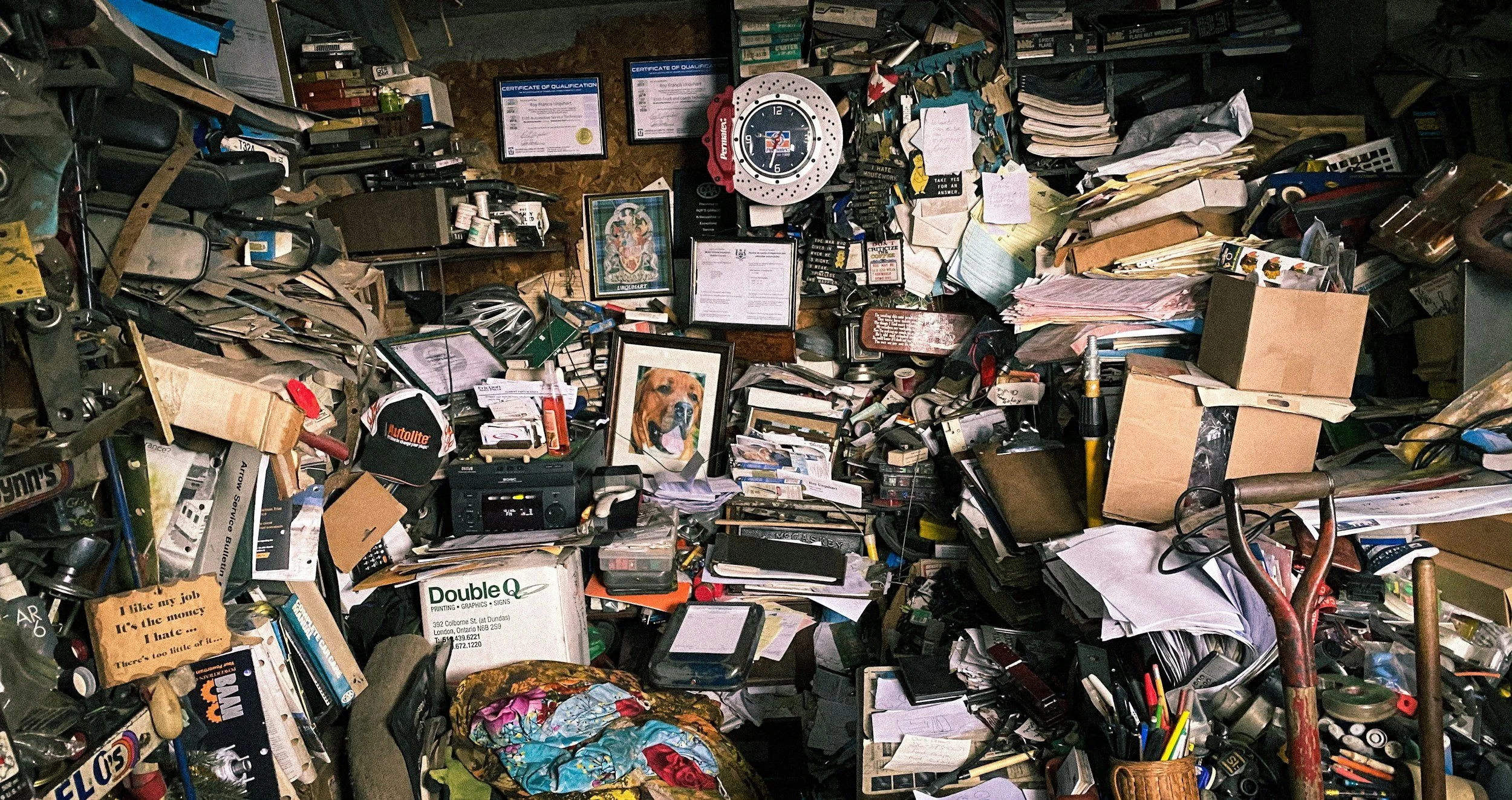
Mental Load Keeps Adding Up
Have you ever delayed filling out a form because you needed your driver’s license number… and your purse was ten feet away?
You thought, I’ll do it later. And then later never came.
It sounds small, but that’s exactly how the mental load works. It’s not just the big responsibilities. It’s the tiny, constant tasks floating around in your head—passwords, paperwork, bills, appointments, insurance cards, and numbers you know you’ll need someday.
And the truth is, most of us are carrying far more of that invisible weight than we realize.
What Is the Mental Load?
The mental load is the invisible planning, remembering, and organizing work that keeps life running. It’s the constant background thinking about what needs to be done next.
Research shows that this kind of cognitive labor is strongly connected to stress, burnout, and mental health challenges.
In fact, studies have found that the mental load is linked to higher levels of depression, stress, and overall psychological strain.
And it’s not evenly distributed. One recent study found that mothers handle about 71% of household mental-load tasks, including planning, scheduling, and organizing daily life.
This imbalance often leads to overwhelm and burnout.
Caregiving responsibilities also take a toll: about 40% of caregivers report high levels of burden, with stress increasing as responsibilities grow.
This isn’t just about chores. It’s about the weight of being the person who knows everything.
The Moment It Becomes Real
I was talking to my mom recently, and she shared something that really stuck with me.
She’s the one who runs the household. She pays the bills, manages the accounts, keeps track of everything. My dad is wonderful—but he doesn’t even know the password to her computer. He doesn’t know which bills go out or when.
And that worries her.
Not because she’s afraid for herself, but because she doesn’t want the people she loves to feel lost if something happens to her.
That’s the mental load in action. It’s the responsibility of being the one who holds all the information.
And it’s heavy.
Why Keeping Your Information in One Place Matters
There are three key reasons to organize your important information and share it with a VIP—your Very Important Person.
1. To Reduce Stress for the People You Love
If something happens to you, your family shouldn’t have to dig through drawers, guess at passwords, or wonder which bills need to be paid.
Having everything in one place makes it easier for them to step in without panic or confusion.
2. To Make Everyday Life Easier
Sometimes the mental load shows up in small, annoying ways—like needing a number that’s across the house.
When your information is organized, you can access it quickly without interrupting your day.
Less searching. Less frustration. Less mental clutter.
3. To Share the Burden While You’re Still Here
Your partner, spouse, or trusted person should be able to help when needed.
If your fiancé needs you to fill out paperwork, you shouldn’t have to call and ask for every number. And they shouldn’t have to do that either.
When information is shared, the mental load becomes lighter for everyone.
We’re Not Invincible
In our twenties, it’s easy to think we have plenty of time.
But reality sets in as we get older. Health concerns appear. Parents age. Responsibilities grow. And suddenly, the thought of what would happen if… becomes very real.
The best time to prepare isn’t later.
It’s now.
Because organizing your life isn’t just about paperwork.
It’s about reducing the mental load for you and the people you care about.
A Simple Way to Get Everything in One Place
If you’re ready to lighten that mental load, we created the life files templates to help.
They’re designed for both individuals and couples, and they walk you through gathering your most important information in one organized place.
And if it feels overwhelming, you don’t have to do it alone. You can book as little as one hour of support, or more if you need it, to help you work through the process step by step.
Because the goal isn’t perfection.
The goal is peace of mind—for you and for the people who matter most.
Frequently Asked Questions
1. What is the mental load?
The mental load is the invisible work of remembering, planning, organizing, and anticipating everything that keeps life running. It includes knowing where important documents are, remembering passwords, tracking bills, scheduling appointments, and keeping up with responsibilities. Even when nothing is physically happening, your brain is still working in the background.
2. Why does the mental load feel so overwhelming?
The mental load feels overwhelming because it is constant. It doesn’t turn off. When information is scattered across drawers, apps, sticky notes, and memory, your brain becomes the filing cabinet. Over time, that mental clutter leads to stress, decision fatigue, and burnout.
Organizing your information in one place reduces the amount of background processing your brain has to do.
3. What kinds of information should I keep in one place?
Start with your most important personal and household information, such as:
Driver’s license and passport numbers
Insurance policies
Bank and account information
Emergency contacts
Password storage location
Bill schedules
Medical information
Legal documents (will, power of attorney, etc.)
The goal is not to collect everything you’ve ever owned—just the information someone would need if they had to step in for you.
4. Who is a VIP?
A VIP is your Very Important Person. This could be a spouse, partner, adult child, parent, sibling, or trusted friend. It’s the person who would need to access your information if something unexpected happened.
Sharing organized information with your VIP reduces their stress and protects them from confusion during already difficult moments.
5. Is this only important for older adults?
Not at all.
While aging often makes these questions feel more urgent, the mental load affects people in their twenties, thirties, forties, and beyond. Emergencies and life transitions can happen at any age. Preparing now simply makes life easier later.
6. How does organizing information reduce the mental load?
When everything is centralized and accessible:
You spend less time searching for information
You avoid repeated interruptions and frustration
You can share responsibilities more easily
Your loved ones aren’t left guessing
Instead of carrying everything in your head, you create a system that carries it for you.
7. What if organizing everything feels overwhelming?
That’s normal.
Give yourself grace. Start small. You don’t have to complete everything in one sitting. Even organizing a few key pieces of information can significantly reduce your mental load.
If you need support, guided templates and step-by-step help can make the process much more manageable.
8. How often should I update my information?
Review your information at least once a year or whenever you experience a major life change, such as:
Marriage or divorce
Moving
New bank accounts
Insurance updates
Birth of a child
Job changes
Keeping your system updated ensures your VIP always has accurate information.
9. Is it safe to store personal information digitally?
Yes, as long as you use encrypted cloud storage and strong password protection. You should also be intentional about who has access and only share the specific information necessary.
Security and accessibility should work together—not compete.
10. What’s the first step to reducing my mental load?
The first step is deciding that you don’t want to carry everything alone anymore.
Choose one small action:
Gather your essential documents
Write down your most-used account information
Identify your VIP
Begin filling out a structured template
Small steps reduce overwhelm. And small steps, taken consistently, lighten the mental load in a powerful way.
